
Ants follow a trail into your kitchen because scout ants that find food or water leave a pheromone trail that guides the rest of the colony. To stop it, clean the trail with soapy water, remove food and water sources, seal the entry gaps, and use bait instead of spray so workers carry it back to the colony.
Few things disrupt the comfort of your home like finding a line of ants marching across your kitchen counter. You clean the surface, wipe away every crumb, and yet they seem to return. You’re not alone. Ants are common in Denver-area homes, especially during Colorado’s warmer months.
The good news is that an ant trail is not mysterious, and it does not mean your home is dirty. Ants are highly organized foragers. Once one discovers a dependable source of food or water, it leaves a scent trail that guides the rest of the colony straight to it.
Understanding why that trail forms is the first step toward stopping it for good.
Why Do Ants Follow a Trail Into Your Kitchen?
Scout ants that find food leave an invisible pheromone trail behind them, and every ant that follows reinforces it – which is why the same line reappears even after you wipe the counter. Colorado State University Extension’s Ants in the Home fact sheet notes most house-invading ants actually nest outdoors and come in only to forage.
The line you see is usually a chemical pathway, not a random parade. A worker ant finds a resource, returns toward the nest, and leaves behind pheromones, a scent signal that helps other ants follow the same route.
In Colorado homes, that resource is often one of the following:
- Crumbs beneath a toaster or kitchen table
- Sticky spots from juice, soda, or syrup
- Grease around a stove or countertop
- Open cereal, sugar, or pet-food containers
- Food left in pet bowls
- Water around sinks, dishwashers, or plant trays
- Small leaks beneath cabinets or near plumbing
Once the colony learns that your kitchen is a reliable source, more workers usually follow. The trail may run along:
- Baseboards and cabinet edges
- Window frames
- Cracks in flooring or concrete
- Gaps around plumbing and utility lines
- Door thresholds
- Foundation cracks outside your home
That is why wiping away the visible ants often provides only temporary relief. You may remove the workers you can see, but the colony remains active and can send out another group.
Are the Ants Living Inside Your House?
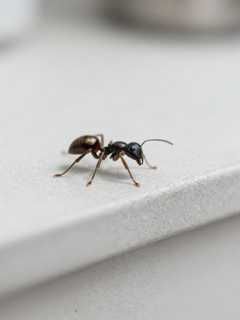
Often, no. Many ants found indoors in Denver are nesting outdoors and entering only to forage for food or moisture. Their colony may be beneath a sidewalk, near your foundation, under landscaping, or around a patio.
This is especially common in neighborhoods such as Washington Park, Capitol Hill, Wheat Ridge, and Lakewood, where older foundations, mature landscaping, sidewalks, and established trees can create plenty of pathways and nesting spots.
However, some colonies can establish themselves inside wall voids, beneath floors, around insulation, or in damp areas. Indoor nesting becomes more likely when you notice:
- Ants appearing in multiple rooms
- Activity continuing during cold weather
- Ants emerging from wall cracks or electrical outlets
- Large black ants near windows, rooflines, or wooden features
- Sawdust-like material near ant activity
- Repeated trails after cleaning and sealing visible gaps
Large ants and sawdust-like debris may point to carpenter ants. They do not eat wood the way termites do, but they can excavate damp or damaged wood to create nesting galleries. If you see these signs, a professional inspection is a wise next step.
For more information about Colorado ant identification and control, Colorado State University Extension provides guidance on ants in the home.
Which Ants Are Common in Colorado?
Odorous house ants, pavement ants, field ants, and carpenter ants are common in Colorado homes.
You do not need to identify an ant perfectly before taking action, but size, color, location, and behavior can offer useful clues.
Odorous House Ants
These small, dark ants often follow trails to sweet foods and moisture. They may nest outdoors or inside wall voids and can be persistent when a colony develops multiple nesting sites.
Pavement Ants
Pavement ants commonly nest under sidewalks, driveways, patios, and foundation edges. In homes around Aurora, Thornton, and older Denver neighborhoods, cracks in concrete can provide a direct route indoors.
Field Ants
Field ants usually nest outdoors near lawns, gardens, and foundations. They may enter in spring when outdoor food is limited or when soil conditions change.
Carpenter Ants
Carpenter ants are usually larger than the tiny ants found around sugar containers. Look for activity near damp wood, tree branches, window frames, rooflines, or damaged trim.
Because different species respond differently to treatment, the right solution usually begins with inspection rather than guesswork.
How Do You Stop Ants in Your Kitchen?
Erase the trail with soapy water, remove the food source, seal the entry gap, and use baits rather than sprays – baits get carried back to the colony, which is the only way to stop the source. Spraying visible ants kills workers but leaves the colony untouched.
A lasting solution usually combines sanitation, exclusion, baiting, and outdoor prevention. Start with these steps.
1. Clean Away the Scent Trail
Use warm, soapy water or a household cleaner to wipe the entire route, not just the area where ants are visible. Clean:
- Countertops and cabinet fronts
- Baseboards and floor edges
- Areas beneath appliances
- Pantry shelves
- Window sills
- Pet-feeding areas
- Trash and recycling zones
This helps remove food residue and disrupt the pheromone trail. A clean surface does not eliminate the colony, but it can make your home less attractive while you address the source.
Safety note: Never mix household cleaners. Follow the product label and use appropriate ventilation.
2. Remove Food and Water Sources
Ants need a dependable reason to keep returning. Make your kitchen less rewarding by:
- Storing sugar, cereal, flour, and snacks in sealed containers
- Wiping up spills immediately
- Rinsing dishes instead of leaving food residue overnight
- Cleaning beneath small appliances
- Emptying indoor trash regularly
- Washing pet bowls daily
- Picking up leftover pet food
- Repairing dripping faucets or plumbing leaks
- Emptying water from plant saucers
In dry Colorado summers, even a small water source can attract ants. Check under sinks, around refrigerators, near dishwashers, and in laundry rooms.
3. Seal Likely Entry Points
Follow the trail backward and look for the place where ants enter. Seal small gaps with caulk and repair damaged weatherstripping around:
- Doors and windows
- Foundation cracks
- Utility lines and pipes
- Siding and trim
- Baseboards
- Garage doors
- Patio and driveway joints
Also trim branches and shrubs away from the exterior. Plants touching your home can create an easy bridge for ants and other pests.
4. Use Bait Carefully Instead of Relying Only on Spray
Ant sprays often kill the workers you see but leave the colony untouched. In some cases, repellent sprays can cause ants to avoid an area, change routes, or spread into other parts of the home.
Ant bait works differently. Worker ants carry the bait back to the nest, where it can affect the broader colony. For best results:
- Place bait near active trails or entry points
- Keep competing food sources cleaned up
- Do not spray directly around bait stations
- Give the bait time to work
- Follow all label instructions
- Keep bait away from children and pets
You may initially see more ants around the bait. That can happen because workers are feeding and carrying material back to the colony. Resist the urge to spray them immediately unless the product directions or a pest professional tell you otherwise.
Why Does DIY Ant Control Often Fall Short?
Most DIY attempts fail because they treat the visible trail instead of the colony – and misused sprays can scatter some ant species into multiple new colonies. The EPA’s safe pest control guidance also cautions on correct placement and label use for baits in homes with kids and pets.
DIY steps are helpful for early, minor activity. They often fall short when the colony is established, hidden, or spread across several nesting sites.
You may need professional help when:
- Trails return after repeated cleaning
- Ants appear in several rooms
- Activity continues through changing seasons
- You see large ants near wood
- Ants are coming from walls, ceilings, or outlets
- The infestation affects a rental property or business
- You are unsure which bait or treatment is appropriate
- Children, pets, or sensitive occupants make treatment choices more complicated
A professional inspection looks beyond the countertop. It can identify entry points, moisture concerns, outdoor nesting areas, and signs that the ants are nesting inside the structure.
At A.P. Pest Control, we focus on tailored treatment rather than a one-size-fits-all response. We inspect the property, explain what we find, recommend practical next steps, and provide follow-up when needed. We treat every customer like family, with honest pricing, personal service, and a 100% satisfaction guarantee.
How Does A.P. Pest Control Help Denver-Area Homes?
Ant control is usually most effective when it combines immediate treatment with prevention. Depending on the property, a service plan may include:
- A detailed inspection of indoor and outdoor activity
- Identification of likely ant species or ant group
- Targeted treatment around trails and entry points
- Bait placement when appropriate
- Perimeter protection around the home
- Recommendations for sealing gaps and reducing moisture
- Follow-up to confirm the problem is improving
This approach can help homeowners in Denver, Aurora, Lakewood, Wheat Ridge, Highlands Ranch, Thornton, and nearby communities deal with recurring ant activity without unnecessary treatments.
Our goal is not simply to remove the ants you see today. It is to help you regain peace of mind and make your home less inviting to future colonies.
Frequently Asked Questions About Ants in Colorado
What is the fastest way to stop ants in the kitchen?
Clean the trail with soapy water, remove food and moisture sources, and place properly labeled ant bait near the active route. If the trail returns or spreads, professional inspection is usually the fastest way to identify the colony’s access point.
Why do ants keep coming back after I spray them?
Spray often kills visible workers without reaching the nest. Other ants may then follow the same pheromone trail or establish a new route. Baiting and locating the entry point are usually more effective for recurring activity.
Does seeing ants mean my house is dirty?
No. Ants can enter even clean homes while searching for food or water. Small spills, pet dishes, plumbing moisture, landscaping, and foundation gaps can all contribute to activity.
Are ants active during Colorado winters?
Some ants become less active in cold weather, but indoor activity can continue in heated homes. If you see ants during winter, they may be nesting inside or entering through a hidden gap.
When should I call a pest professional?
Call when activity is persistent, widespread, seasonal year after year, or associated with large ants and wood damage. Professional guidance is also helpful when you need treatment that accounts for children, pets, tenants, customers, or employees.
Stop the Trail Before It Becomes a Routine
Ants follow reliable resources. When your kitchen provides food, water, and an easy route inside, the colony has a reason to return.
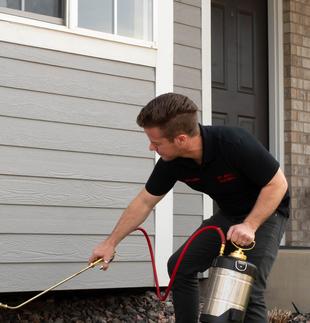
Start by cleaning the trail, removing attractants, sealing gaps, and using bait safely. If those steps do not solve the problem, you do not have to keep guessing. A.P. Pest Control can inspect your Denver-area home or business and recommend a practical plan.
We are locally owned and operated, offer honest and competitive pricing, and stand behind our work. For questions or to schedule service, call A.P. Pest Control at (720) 327-1750 or contact our family team online. A more comfortable, ant-free home can be the next step.