
By A.P. Pest Control
Few things disrupt the comfort of your home like scratching in the walls, droppings in the pantry, or a mouse darting across the floor at night. If you’re dealing with rodents in your Denver-area home, you’re not alone: and the problem is solvable with the right approach.
Hiring a professional Denver rodent exterminator does more than place a few traps. A reliable team looks for how rodents are entering, explains your options, treats the active problem, and helps prevent it from returning.
Here’s what you can expect during the process.
Step 1: A Conversation and Thorough Rodent Inspection
Your first visit usually begins with a conversation. Before treatment starts, your technician should ask questions about what you’ve noticed and when the problem began.
Be ready to share details such as:
- Where you see droppings, gnaw marks, or nesting materials
- Whether you hear scratching in walls, ceilings, or the attic
- How often you see rodents and what time of day
- Whether you have children, pets, or other safety concerns
- Any recent construction, landscaping, or plumbing work
- Whether the property is a home, townhome, apartment, or business
This information helps the technician understand the pattern instead of treating your property with a one-size-fits-all solution.

What does the inspection include?
A professional inspection often covers both the interior and exterior of your property. Rodents can travel through surprisingly small gaps, so the visible activity inside may not show you where the problem begins.
Your licensed exterminator may inspect:
- The kitchen, pantry, basement, garage, and utility areas
- Attics, crawlspaces, and other low-traffic spaces
- Areas around plumbing, electrical lines, and HVAC openings
- Foundation cracks, siding gaps, vents, and roofline openings
- Door sweeps, garage seals, and worn weatherstripping
- Outdoor clutter, woodpiles, vegetation, and possible nesting areas
In Denver, seasonal weather often influences rodent activity. Cold temperatures can push mice and rats indoors, especially during fall and winter. Homes near open space, foothill areas, or undeveloped lots can also experience pressure from deer mice and other wildlife.
The inspection should identify:
- The likely rodent species
- Active entry points
- Nesting and travel areas
- The apparent severity of the issue
- Conditions that may be attracting rodents
- Damage that needs attention
Actionable tip: Before your appointment, avoid moving or cleaning every sign of activity. Droppings, gnaw marks, and nesting material can help your technician locate the source. If you find a large amount of droppings, do not sweep or vacuum them.
Step 2: A Tailored Treatment and Rodent-Proofing Plan
After the inspection, your Denver exterminator should explain what they found in clear, everyday language. You should know what will be treated, why each step matters, what it costs, and what results to expect.
At A.P. Pest Control, we focus on creating a plan around your property and your family’s needs. That plan can include several components.
Rodent exclusion: stopping new rodents from getting inside
Removing rodents without addressing entry points often provides only temporary relief. Rodents can return: or new ones can take their place: if openings remain accessible.
Exclusion work may involve sealing gaps around:
- Foundations and siding
- Pipes, wires, and utility lines
- Doors, windows, and garage openings
- Roof edges, vents, and attic areas
- Crawlspace access points
Durable materials such as metal mesh, hardware cloth, and appropriate sealants can be useful because rodents are persistent chewers. A mouse may fit through an opening roughly the width of a pencil, so even a gap that looks insignificant deserves attention.
Actionable tip: Walk around your home during daylight and look for visible gaps, damaged screens, and light showing beneath exterior doors. You can temporarily note problem areas for your technician, but avoid sealing an active opening without guidance if rodents may still be inside.
Trapping, monitoring, and targeted treatment
Depending on the situation, treatment may include traps, monitoring devices, secured bait stations, or a combination of methods. The right approach depends on the rodent species, activity level, location, and safety needs of your household.
A responsible professional should explain:
- Which treatment methods they recommend
- Where traps or bait stations will be placed
- Whether any products are used indoors or outdoors
- How children and pets should be protected
- How often equipment will be checked
- What signs indicate that activity is declining
There is no universal treatment that works perfectly for every property. A detached home in Wheat Ridge may have different entry points than a downtown Denver townhome or a commercial building in Lakewood. That is why inspection-based treatment usually works better than guessing.

Sanitation and damage awareness
Rodents can contaminate food-contact surfaces and damage insulation, stored belongings, and electrical wiring. Their constant gnawing can sometimes create a fire concern when wiring is affected.
If you find rodent waste:
- Keep children and pets away from the area.
- Do not sweep or vacuum dry droppings.
- Ventilate the space when practical and safe.
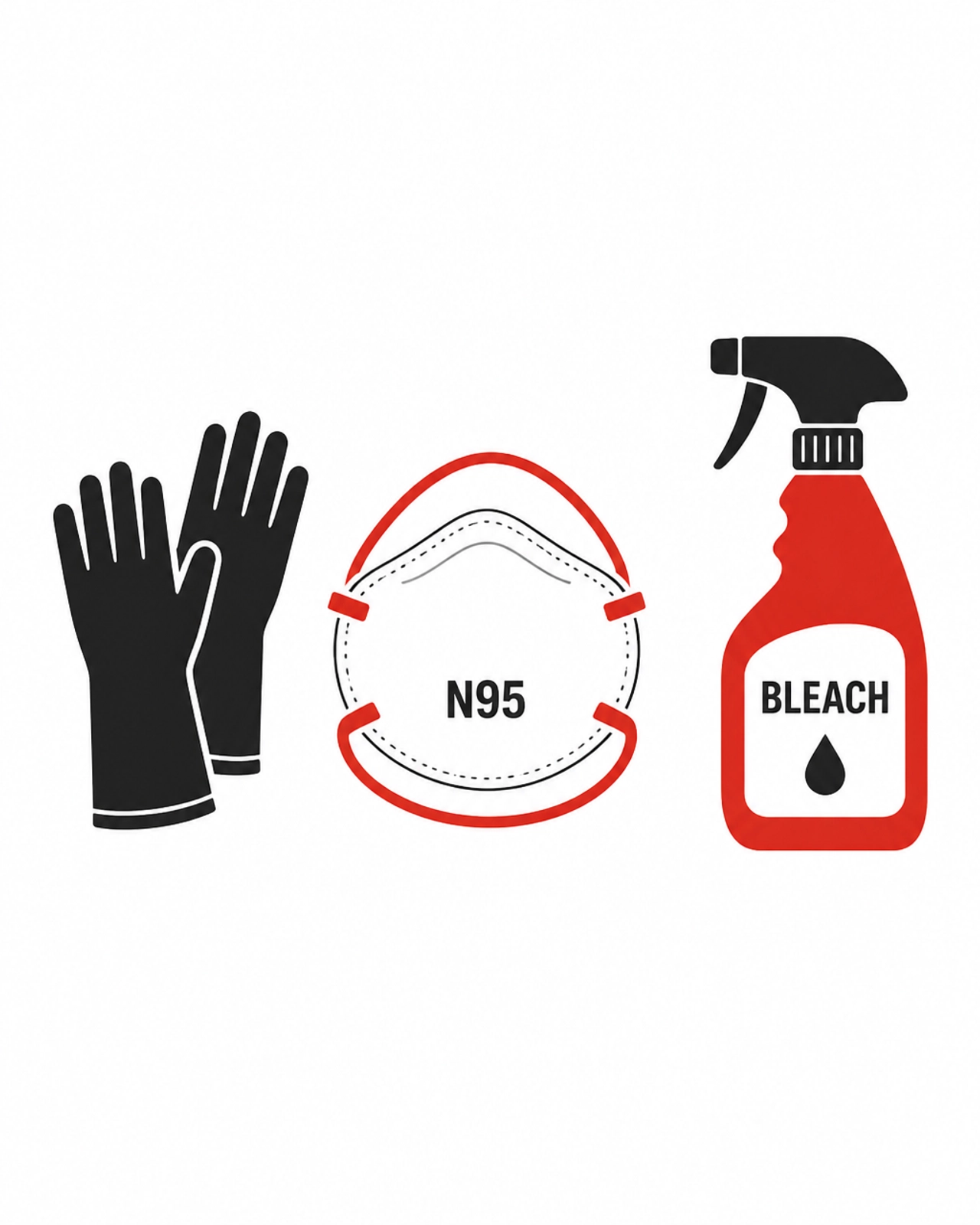
- Wear disposable gloves and use disinfectant according to label directions.
- Allow disinfectant to soak before wiping up contaminated material.
- Contact a professional if the area is heavily contaminated or difficult to access.
Colorado homeowners should take extra care around enclosed spaces such as sheds, garages, attics, and crawlspaces. Deer mice can carry hantavirus, and disturbing dried waste can increase exposure risk. The CDC’s rodent cleanup guidance provides additional safety information.
If you suspect extensive contamination, have respiratory concerns, or feel uncomfortable handling the cleanup, seek professional help rather than taking unnecessary risks.
Step 3: Follow-Up, Adjustments, and Peace of Mind
Rodent control is often a process rather than a single moment. After the initial service, a technician may need to return to check traps, evaluate new activity, remove captured rodents, and adjust the treatment plan.
Your follow-up may include:
- Checking for fresh droppings or new gnaw marks
- Monitoring traps and other control devices
- Confirming that exclusion work is holding
- Recommending repairs or sanitation
- Reviewing prevention steps for your household
- Scheduling additional visits when activity continues
How long does rodent control take?
The timeline varies. A small, isolated mouse issue can improve quickly, while a larger infestation involving wall voids, attics, or multiple entry points often takes more time. Results also depend on whether food, clutter, shelter, or structural openings continue to support rodent activity.
You can help the process by:
- Storing cereal, pet food, birdseed, and pantry goods in sealed containers
- Cleaning food crumbs and spills promptly
- Securing trash and keeping outdoor feeding areas tidy
- Reducing clutter in garages, basements, and storage rooms
- Moving woodpiles and debris away from the foundation
- Trimming branches and dense vegetation near the roofline
- Reporting new signs instead of waiting for the problem to grow
A good rodent control plan for Denver homes should leave you with more than a treatment. It should give you a clearer understanding of your home’s vulnerabilities and what to do next.
What Should You Ask Before Hiring a Denver Exterminator?
Whether you search for Denver exterminators, “exterminator Denver,” or a licensed exterminator, compare more than the first price you see.
Ask these questions before scheduling:
- Are you licensed and insured?
- Will you inspect both the interior and exterior?
- Will you explain where rodents are entering?
- What treatment methods do you use?
- Are products secured away from children and pets?
- Is exclusion included, recommended, or priced separately?
- What follow-up is provided?
- What exactly does the warranty or guarantee cover?
- Will I receive clear pricing before treatment begins?
Honest, competitive pricing should include a straightforward explanation of what is covered. Be cautious of vague promises, pressure to approve unnecessary work, or a treatment plan that does not address entry points.
Why Denver Homeowners Call A.P. Pest Control
A.P. Pest Control is a locally owned and operated family pest control company serving the Denver metro area. We understand that a rodent problem is not just an inconvenience: it affects how comfortable and secure you feel in your own home.
Our approach centers on:
- Expert inspection to identify activity and entry points
- Tailored treatment based on your property and situation
- Proactive defense to reduce the chance of re-entry
- Helpful follow-up so you know what happens next
- Honest, competitive pricing
- Personal customer service
- A 100% satisfaction guarantee
We treat every customer like family, whether you are a homeowner, landlord, business owner, or nonprofit organization. If you are hearing noises, finding droppings, or noticing signs of rodent damage, call A.P. Pest Control at (720) 327-1750 or visit our rodent control services page to get started.
Frequently Asked Questions
What does a rodent exterminator do on the first visit?
A rodent exterminator typically discusses your concerns, inspects the property, identifies likely entry points and activity areas, and recommends a treatment plan. Treatment may begin during the first visit when appropriate and approved.
How do I know whether I have mice or rats?
Dropping size, sounds, gnaw marks, tracks, and nesting locations can provide clues, but identification is not always obvious. A professional inspection can help determine which rodent is present and how it is using your property.
Is professional rodent control safe for pets and children?
Professional treatment can be safe when products are selected and applied correctly. Tell your technician about pets, children, allergies, and other concerns before service. Always follow the provided pre-treatment and post-treatment instructions.
Can I get rid of rodents with traps or peppermint oil?
DIY traps may help with a small, isolated issue, but they usually do not address hidden entry points or nesting areas. Peppermint oil and ultrasonic devices can be unreliable, particularly when rodents are seeking warmth during Denver’s colder months.
When should I call a licensed exterminator?
Call a licensed exterminator when you see repeated activity, discover droppings in multiple areas, hear rodents in walls or ceilings, find damaged wiring, or cannot locate how they are entering. Professional help is especially important when contamination is extensive or located in an attic or crawlspace.
Recommended SEO keyphrase: Denver rodent exterminator
Meta description: Learn what to expect from a Denver rodent exterminator, from inspection and treatment to follow-up, safety, pricing, and lasting rodent prevention.
{“@graph”:[{“@type”:”BlogPosting”,”image”:”https://appestcontrol.net/wp-content/uploads/2025/08/best-pest-control-featured-4-660×371.jpg”,”author”:{“url”:”https://appestcontrol.net”,”name”:”A.P. Pest Control”,”@type”:”Organization”},”headline”:”What to Expect When You Hire a Denver Rodent Exterminator: Your 3-Step Walkthrough”,”keywords”:[“Denver rodent exterminator”,”Denver exterminators”,”exterminator Denver”,”licensed exterminator”,”rodent control Denver”],”publisher”:{“url”:”https://appestcontrol.net”,”logo”:{“url”:”https://appestcontrol.net/wp-content/uploads/2023/10/AP-Logo-Banded.png”,”@type”:”ImageObject”},”name”:”A.P. Pest Control”,”@type”:”Organization”},”description”:”Learn what to expect from a Denver rodent exterminator, from inspection and treatment to follow-up, safety, pricing, and lasting rodent prevention.”,”datePublished”:”2026-08-21″,”articleSection”:”Rodent Control”},{“@type”:”FAQPage”,”mainEntity”:[{“name”:”What does a rodent exterminator do on the first visit?”,”@type”:”Question”,”acceptedAnswer”:{“text”:”A rodent exterminator typically discusses your concerns, inspects the property, identifies likely entry points and activity areas, and recommends a treatment plan. Treatment may begin during the first visit when appropriate and approved.”,”@type”:”Answer”}},{“name”:”How do I know whether I have mice or rats?”,”@type”:”Question”,”acceptedAnswer”:{“text”:”Dropping size, sounds, gnaw marks, tracks, and nesting locations can provide clues, but identification is not always obvious. A professional inspection can help determine which rodent is present and how it is using your property.”,”@type”:”Answer”}},{“name”:”Is professional rodent control safe for pets and children?”,”@type”:”Question”,”acceptedAnswer”:{“text”:”Professional treatment can be safe when products are selected and applied correctly. Tell your technician about pets, children, allergies, and other concerns before service, and follow all treatment instructions.”,”@type”:”Answer”}},{“name”:”Can I get rid of rodents with traps or peppermint oil?”,”@type”:”Question”,”acceptedAnswer”:{“text”:”DIY traps may help with a small, isolated issue, but they usually do not address hidden entry points or nesting areas. Peppermint oil and ultrasonic devices can be unreliable.”,”@type”:”Answer”}},{“name”:”When should I call a licensed exterminator?”,”@type”:”Question”,”acceptedAnswer”:{“text”:”Call a licensed exterminator when you see repeated activity, discover droppings in multiple areas, hear rodents in walls or ceilings, find damaged wiring, or cannot locate how they are entering.”,”@type”:”Answer”}}]}],”@context”:”https://schema.org”}