
When it comes to rodent control in Denver, acting early makes all the difference. Few things disrupt the peace and comfort of your home quite like the sound of tiny, scratching feet in the attic or the sight of a shadow darting across the kitchen floor at midnight. If you’ve discovered a mouse in your pantry or heard a mysterious squeak behind the drywall, you’re not alone.
Living in the Denver metro area means sharing our beautiful landscape with a variety of wildlife, but that doesn’t mean they belong inside your living room. Rodents are opportunistic survivors, and as our city grows, they’ve become experts at finding their way into our warm, food-filled homes.
At A.P. Pest Control, we see the frustration these little intruders cause every day. Whether you’re dealing with a single curious mouse or a full-blown infestation, understanding how to manage rodent control in Denver is the first step toward a pest-free home. In this guide, we’ll break down everything you need to know about keeping the squeaks out for good.
The Usual Suspects: Identifying Denver’s Common Rodents
Before you can tackle the problem, you need to know who you’re dealing with. In Colorado, we primarily see two types of mice that like to move in uninvited.
The House Mouse
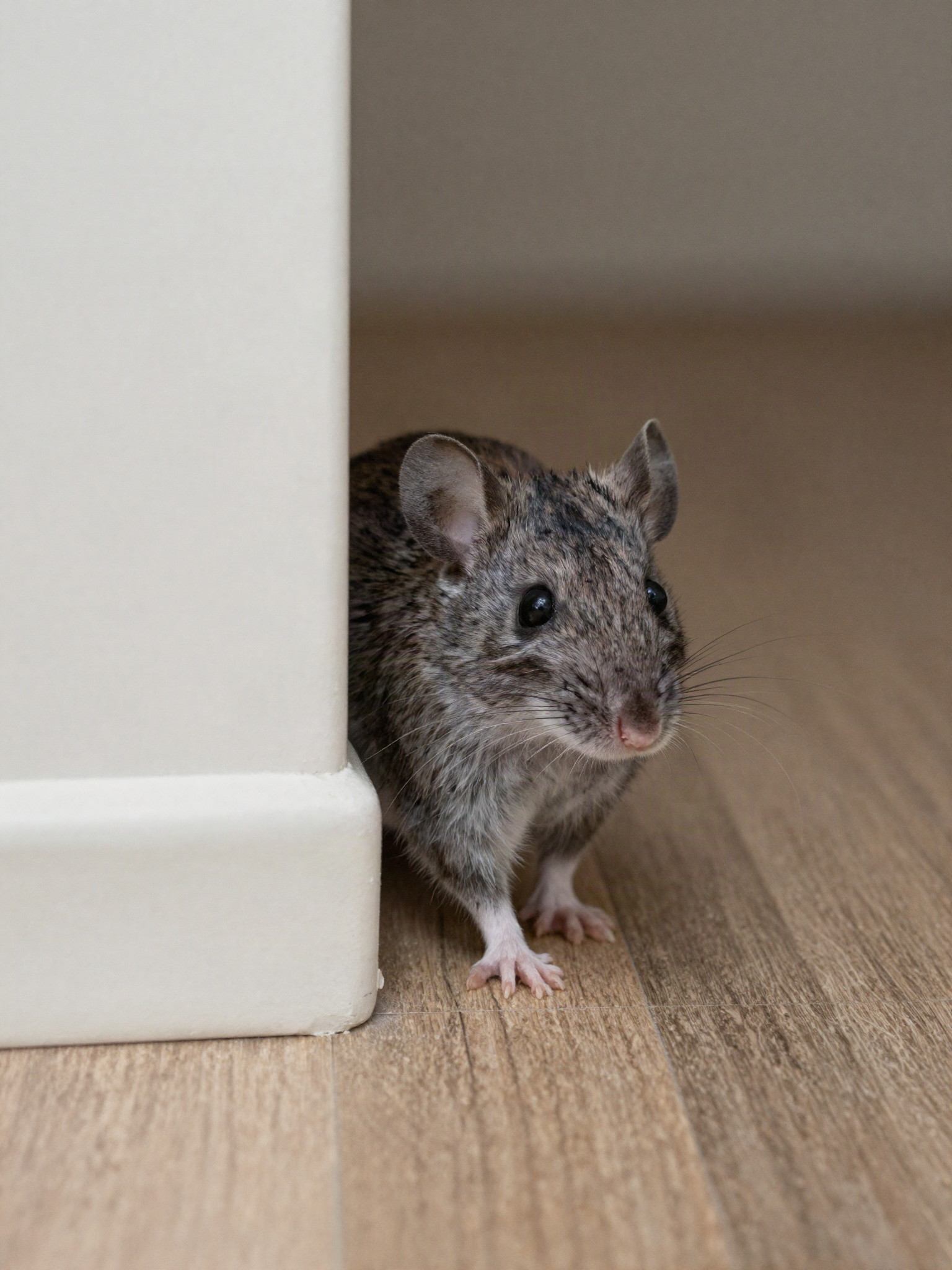
The house mouse is the most common indoor pest in urban and suburban Denver neighborhoods. They are typically dull gray or light brown with a uniform color across their bodies. These little guys are incredible climbers and can squeeze through a hole the size of a pencil. If you live in a standard residential neighborhood or a multi-unit complex, this is likely your culprit.
The Deer Mouse
If you live closer to the foothills, near open fields, or in the more rural parts of the Front Range, you might encounter the deer mouse. These are easily identified by their white bellies and feet, bicolored tails (dark on top, white on bottom), and large, “Disney-like” eyes.
A quick safety note: While all rodents can carry bacteria, deer mice are the primary carriers of Hantavirus in Colorado. If you suspect you have deer mice, especially in a crawlspace or shed, it is always best to call in a professional licensed exterminator to handle the cleanup safely.
Why Denver Homes are Mouse Magnets
You might be wondering, “How are they even getting in?”
The answer is often more surprising than you’d think. Rodents are incredibly resilient and can find entry points that most homeowners would never notice.
- Foundation Gaps: As Denver homes settle, small cracks can form in the foundation. Any gap wider than ¼ inch is an open door for a mouse.
- Utility Entries: Check where your gas, water, and electrical lines enter your home. Often, the holes drilled for these lines are larger than the pipes themselves, leaving a perfect highway for rodents.
- Door Sweeps and Weatherstripping: If you can see light under your door, a mouse can see a way in. Worn-out weatherstripping on garage doors is a particularly common entry point.
- The “Pencil Rule”: If a standard No. 2 pencil can fit into a hole or crack, a mouse can flatten its body and wiggle through.
A Seasonal Guide to Rodent Control in Denver
In Colorado, our extreme weather shifts play a huge role in rodent behavior. Understanding the seasons helps you stay one step ahead.
Fall: The Great Indoor Migration
When the first frost hits the Front Range, rodents start looking for a winter vacation home. September through November is our peak season for “new arrivals.” This is the most critical time to perform a perimeter check and seal up those tiny gaps before the mice find them.
Winter: Breeding and Browsing
Once they’re inside, rodents don’t just hibernate; they stay active and start breeding. Because food sources outside are buried under snow, they’ll become much bolder about exploring your kitchen and pantry. During winter, rodent control in Denver focuses on trapping and removal of established populations.
Spring and Summer: The Yard Phase
As things warm up, mice often move back toward gardens and woodpiles, but they’ll keep an eye on your house as a backup. Spring is the perfect time to repair any damage caused by winter chewing and to clear out debris around your foundation.
Proactive Rodent Control in Denver: How to Keep Mice Out
Prevention is always cheaper and less stressful than an extermination. Here is your Denver homeowner’s checklist for a rodent-proof home:
- Seal the Envelope: Use a combination of steel wool and waterproof caulk to plug holes around pipes and foundation cracks. Unlike foam or wood, mice cannot chew through steel wool.
- Manage Your Landscaping: Keep shrubs and tree branches trimmed at least 3 feet away from your roof and siding. Think of these as bridges that rodents use to reach your attic.
- Secure the Pantry: Store grains, crackers, and pet food in airtight glass or heavy-duty plastic containers. Cardboard boxes are basically a “free lunch” sign for mice.
- Clean the Perimeter: Move woodpiles, leaf piles, and old construction materials at least 20 feet away from your home. These are the “staging areas” where rodents hide before making a break for your front door.
Common Customer Questions
“Are mice actually dangerous?”
Yes, but perhaps not for the reasons you think. While they rarely bite humans, they are major fire hazards. Rodents have teeth that never stop growing, so they chew on everything: including the electrical wiring inside your walls. They also contaminate food surfaces with urine and droppings, which can spread salmonella and trigger allergies or asthma. The CDC outlines the diseases rodents can spread, which is why prompt removal matters.
“Can I just use peppermint oil or ultrasound plug-ins?”
While these might provide a temporary deterrent, they are rarely effective at stopping a determined mouse. In a city like Denver, where winter temperatures are freezing, a mouse will happily put up with a “bad smell” if it means staying warm and alive.
“How do I know if the problem is gone?”
The absence of new droppings is the best indicator. We recommend cleaning up old droppings (carefully!) and then checking the area 48 hours later. If you see fresh “black grains of rice,” you still have a roommate.
Why Choose A.P. Pest Control for Your Rodent Needs?
When DIY traps aren’t enough, you need a team that knows the Denver metro area inside and out. At A.P. Pest Control, we’re a locally owned and operated family business. We don’t believe in “one size fits all” solutions.
When you call us, you aren’t just getting a technician; you’re getting a personal touch. We treat every customer like family, which means we provide honest, competitive pricing and a 100% satisfaction guarantee. Whether you’re in Wheat Ridge or downtown Denver, we’re here to help you reclaim your home.

Ready to Secure Your Home?
Don’t wait for the squeaking to get louder. Taking early action is the key to preventing a small mouse problem from becoming a massive headache. Whether you need an expert inspection or a tailored treatment plan, we have the tools and the experience to get the job done right.
Contact us today at appestcontrol.net to schedule your inspection and keep your Denver home rodent-free!