
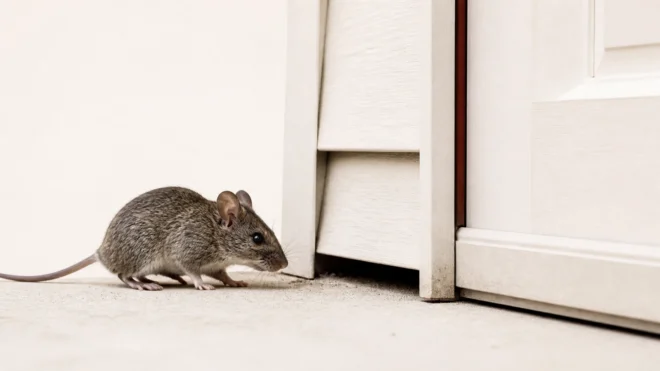
Few things disrupt your peace of mind like realizing something may be moving inside your walls. If you have noticed scratching near the garage, tiny droppings in the pantry, or gaps around your foundation, you are not alone. As temperatures drop across Denver, mice often start looking for warm, quiet shelter indoors.
The good news is that fall mouse season in Denver is manageable when you spot the warning signs early. A quick inspection, a few practical prevention steps, and professional guidance when needed can help protect your home before a small entry problem becomes a larger infestation.
Author: A.P. Pest Control
Why do mice come into Denver homes in the fall?
Mice move indoors in fall because cooling temperatures push them to find warmth, food, and nesting shelter – and a gap the size of a dime is enough to get in. Denver’s sharp overnight temperature drops in September and October make homes especially attractive just as outdoor food sources thin out.
Mice do not necessarily want to live inside your home year-round. They are usually searching for three basic needs:
- Warmth
- Food
- Shelter
When cool nights arrive in neighborhoods such as Lakewood, Wheat Ridge, Arvada, Aurora, and Westminster, outdoor food and nesting cover can become harder to find. Garages, basements, crawl spaces, attics, and wall voids offer exactly what mice need.
Older homes may have settling cracks, worn weatherstripping, or gaps around utility lines. Newer homes can also develop openings around doors, vents, pipes, and siding. A mouse can squeeze through a gap about the size of a dime, so even a small opening deserves attention.
Before the first deep freeze, walk around your home and focus on the areas where the foundation meets the outside environment. That simple check can help you stay ahead of the season.
6 early signs mice may be moving in
Mice are often active at night and can remain hidden during the day. That means you may notice evidence before you see the animal itself.
1. Small, dark droppings
Mouse droppings look like small, dark pellets. You may find them:
- Along baseboards
- Inside kitchen cabinets
- Under sinks
- Behind refrigerators or stoves
- Near pet food bowls
- In garages, basements, or storage areas
- Around cardboard boxes and stored belongings
Fresh droppings are usually darker and softer-looking, while older droppings may fade and become harder. If you keep finding new droppings after cleaning, mice may still be active nearby.
2. Scratching or scurrying sounds
Light scratching in walls, ceilings, or under floors can indicate rodent activity, especially late at night when the house is quiet. Sounds near the kitchen, garage, attic, or basement deserve a closer look.
Of course, not every unexplained noise comes from mice. Homes can make settling sounds, and other wildlife can enter roofs or attics. If the noise continues, look for additional signs rather than relying on sound alone.
3. Gnaw marks and damaged materials
Mice continually gnaw, which can leave marks on a variety of materials. Check for:
- Chewed food packaging
- Shredded cardboard
- Damaged insulation
- Gnawed wood or plastic
- Chew marks around small openings
- Damaged electrical wiring
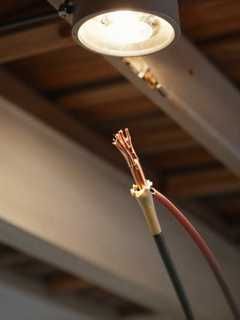
Chewed wiring is especially important to address because it can create a safety concern. If you find damaged wires, avoid handling them and contact a qualified professional for evaluation.
4. Shredded nesting material
Mice often build nests from materials that are easy to tear or carry. Look for shredded:
- Paper
- Fabric
- Cardboard
- Insulation
- Dry plant material
- Upholstery or stored clothing
Quiet, undisturbed areas are common nesting locations. Inspect behind stored boxes, in attic corners, beneath appliances, and around garage clutter.
5. A stale or musky odor
A persistent musky smell may develop in areas where mice are nesting or traveling regularly. You may notice it in a cabinet, wall void, basement corner, or storage space.
Odor alone does not confirm mice, but it becomes more meaningful when paired with droppings, noises, or gnaw marks. That combination is a good reason to schedule an inspection.
6. Rub marks and repeat travel paths
Mice often travel along walls and other protected edges. Over time, repeated movement can leave faint dark marks, especially along baseboards, behind appliances, or near holes.
Use a flashlight to inspect low, hidden areas. You do not need to crawl into unsafe spaces or disturb insulation to look for evidence. If signs are difficult to reach, an experienced pest professional can inspect those areas more safely.
Where should you check for mouse entry points before winter?
Start with the exterior: foundation gaps, utility and pipe penetrations, garage door seals, and vents – any opening a pencil fits through, a mouse can fit through too. Then check the quiet indoor zones: attics, crawl spaces, and behind kitchen appliances.
A thorough mouse inspection starts outside because prevention begins with stopping entry.
Walk around your Denver-area home and check:
- Foundation cracks and gaps
- Spaces beneath exterior doors
- Garage door edges and weatherstripping
- Openings around pipes, cables, and utility lines
- Window frames and damaged screens
- Crawl-space and foundation vents
- Dryer vents and other exterior openings
- Gaps where siding meets the foundation
- Roofline and chimney areas
Inside, inspect kitchens, pantries, garages, basements, attics, and crawl spaces. Move stored boxes onto shelves when possible so you can see signs sooner and reduce hiding places.

How do you prevent mice from entering your home?
Seal exterior gaps with steel wool and metal flashing, store food (including pet food) in sealed containers, and keep vegetation trimmed back from the foundation. The EPA’s safe pest control guidance recommends exactly this exclusion-first approach before considering any rodenticide.
You can make your property less appealing with a few consistent habits.
Seal gaps with gnaw-resistant materials
Close openings around a quarter-inch or larger with materials mice cannot easily chew through. Copper mesh, steel wool, caulk, mortar, and properly installed metal screening can be useful depending on the location.
Do not rely on spray foam alone. Mice can often chew through it. Foam may work as part of a repair, but it should be paired with a more durable barrier.
Also consider:
- Installing door sweeps
- Replacing worn weatherstripping
- Repairing damaged screens
- Covering vents with rodent-resistant mesh
- Sealing utility penetrations
- Checking the garage door seal for daylight or gaps
Remove easy food sources
Mice stay where food is readily available. Protect your home by:
- Storing pantry items in sealed, hard-sided containers
- Keeping pet food in airtight containers
- Picking up pet bowls overnight
- Cleaning crumbs and spills promptly
- Washing dishes after meals
- Using trash cans with tight-fitting lids
- Rinsing food residue from recyclables
- Bringing trash, recycling, and compost bins inside or securing them at night
Bird feeders can also attract rodents. If you keep one, use a catch tray, clean up spilled seed, and place it away from doors, windows, and the foundation.
Reduce shelter around the property
Outdoor clutter gives mice places to hide before they approach your home. Keep these materials away from the foundation:
- Firewood
- Lumber
- Leaf piles
- Dense brush
- Unused equipment
- Yard debris
- Stacked boxes or household items
Keep firewood elevated and, when possible, at least 20 feet from the home. Trim shrubs and tree branches so they do not touch the siding or roof. These steps help reduce both nesting areas and convenient routes toward your house.
What should you do if you find mouse droppings or signs?
Do not sweep or vacuum droppings dry – ventilate the area and disinfect first, since rodent droppings can carry hantavirus and other pathogens. The Colorado Department of Public Health & Environment publishes safe rodent-cleanup guidance for exactly this situation.
If you discover droppings, nests, or gnaw marks, start by limiting access to food and looking for entry points. However, avoid disturbing contaminated materials unnecessarily.
For cleanup:
- Keep children and pets away from the area.
- Wear disposable or rubber gloves.
- Do not sweep or vacuum dry droppings or nesting material.
- Thoroughly wet the area with an EPA-registered disinfectant or appropriate bleach solution.
- Let the product sit according to its label directions.
- Wipe up the material with paper towels and dispose of it in a covered trash container.
- Wash your hands after removing gloves.
Use caution with traps and rodent control products. Keep them away from children and pets, and follow every product label. Poison should not be placed casually inside or around your home, particularly if you have pets, young children, or wildlife nearby.
If activity is widespread, signs keep returning, or you are unsure where mice are entering, a professional inspection can save time and prevent repeated do-it-yourself treatments. At A.P. Pest Control, we inspect the situation, identify likely access points, and recommend a tailored approach that may include discreet control methods, minor exclusion work, and follow-up monitoring.
When should you call a Denver rodent professional?
Consider scheduling an inspection if you notice:
- New droppings appearing after cleaning
- Mouse activity in more than one room
- Scratching in walls or ceilings
- Chewed electrical wiring
- A nest in an attic, crawl space, or wall
- A strong or persistent odor
- Repeated sightings during the day
- Entry gaps you cannot safely reach or seal
You do not have to wait until the problem feels severe. Early service is often simpler because it addresses the source before mice become established.
A.P. Pest Control is locally owned and operated in the Denver metro area. We treat every customer like family, provide honest and competitive pricing, and back our work with a 100% satisfaction guarantee. If you want peace of mind before fall weather arrives, call (720) 327-1750 or contact A.P. Pest Control online to discuss your concerns.
You can also learn more about our mice pest control service and broader rodent removal solutions.
Frequently asked questions about fall mouse season in Denver
When is mouse season in Denver?
Mouse activity often increases in late summer and fall as temperatures cool. Cold snaps can encourage mice to seek shelter in homes, garages, attics, and crawl spaces.
How small of a gap can a mouse fit through?
A mouse can fit through an opening about the size of a dime. Check small gaps around doors, foundations, vents, pipes, cables, and siding.
What is the first sign of mice in a house?
Droppings are often one of the first visible signs. You may also notice scratching sounds, gnaw marks, shredded nesting material, or a musky odor.
Should I clean mouse droppings with a vacuum?
No. Denver’s public health guidance recommends not sweeping or vacuuming dry droppings because contaminated particles can become airborne. Wet the area with disinfectant first, then wipe it up while wearing gloves. Visit the City and County of Denver rodent guidance for additional safety information.
Can I prevent mice without professional pest control?
Sealing entry points, securing food, reducing clutter, and maintaining the yard can help prevent mice. If signs continue or the entry point is difficult to find, professional inspection and follow-up can provide a more complete solution.
Recommended SEO keyphrase: fall mouse season in Denver
Meta description: Learn how to spot early mouse signs in Denver homes, seal entry points, prevent fall infestations, and know when to call A.P. Pest Control for help.
{“@graph”:[{“@type”:”Article”,”author”:{“url”:”https://appestcontrol.net”,”name”:”A.P. Pest Control”,”@type”:”Organization”},”headline”:”Fall Mouse Season Is Coming to Denver: How to Spot the Signs Before They Move In”,”keywords”:[“fall mouse season in Denver”,”Denver mouse prevention”,”mouse signs in home”,”rodent control Denver”],”publisher”:{“url”:”https://appestcontrol.net”,”name”:”A.P. Pest Control”,”@type”:”Organization”},”articleSection”:”Rodent Control”,”mainEntityOfPage”:”https://appestcontrol.net”},{“@type”:”FAQPage”,”mainEntity”:[{“name”:”When is mouse season in Denver?”,”@type”:”Question”,”acceptedAnswer”:{“text”:”Mouse activity often increases in late summer and fall as temperatures cool. Cold snaps can encourage mice to seek shelter in homes, garages, attics, and crawl spaces.”,”@type”:”Answer”}},{“name”:”How small of a gap can a mouse fit through?”,”@type”:”Question”,”acceptedAnswer”:{“text”:”A mouse can fit through an opening about the size of a dime. Check small gaps around doors, foundations, vents, pipes, cables, and siding.”,”@type”:”Answer”}},{“name”:”What is the first sign of mice in a house?”,”@type”:”Question”,”acceptedAnswer”:{“text”:”Droppings are often one of the first visible signs. Other signs include scratching sounds, gnaw marks, shredded nesting material, or a musky odor.”,”@type”:”Answer”}},{“name”:”Should I clean mouse droppings with a vacuum?”,”@type”:”Question”,”acceptedAnswer”:{“text”:”No. Wet the area with disinfectant first, allow it to sit according to the product label, and wipe it up while wearing gloves. Avoid sweeping or vacuuming dry droppings.”,”@type”:”Answer”}},{“name”:”Can I prevent mice without professional pest control?”,”@type”:”Question”,”acceptedAnswer”:{“text”:”Sealing entry points, securing food, reducing clutter, and maintaining the yard can help prevent mice. If signs continue, professional inspection and follow-up can provide a more complete solution.”,”@type”:”Answer”}}]}],”@context”:”https://schema.org”}