
Hantavirus in Colorado is a rare but severe respiratory disease spread by deer mice, which shed the Sin Nombre virus in their urine, droppings, and saliva. Most people are infected by breathing dust stirred up from rodent waste. Never sweep or vacuum droppings. Wet them with disinfectant first, wear gloves, and wipe them up.
If you have spotted a tiny, wide-eyed intruder scurrying across your garage floor lately, you're not alone, but finding a reliable rodent exterminator denver residents trust is more important right now than ever before. While most of us are used to the occasional mouse "houseguest" in the Mile High City, the stakes have recently been raised for homeowners in the metro area.
Few things disrupt the peace of your home like the discovery of a rodent infestation, and the news out of Douglas and Arapahoe Counties over the last few weeks has turned that discomfort into genuine concern. In mid-May 2026, health officials confirmed the tragic death of a Douglas County resident due to hantavirus. By May 25, a second case was reported in Arapahoe County.
These aren't just statistics; they are neighbors. Both cases have been linked to the local deer mouse population carrying the Sin Nombre variant of the virus. At A.P. Pest Control, we know that your home is your sanctuary, and we want to help you keep it that way. Understanding the risks, identifying the right pests, and knowing how to handle cleanup safely can make all the difference in keeping your family protected.
What Is Hantavirus in Colorado?
Hantavirus is a rare but severe respiratory disease. In Colorado, the strain involved is the Sin Nombre virus, which is carried by deer mice.
Hantavirus might sound like something from a far-off tropical climate, but here in Colorado, it is a very local reality. Specifically, we deal with the Sin Nombre virus, which is the primary strain responsible for Hantavirus Pulmonary Syndrome (HPS) in the United States.
It is a rare but severe respiratory disease that can be fatal if not treated immediately. The "Sin Nombre" strain (which literally translates to "without a name") was first identified in the early 90s in the Four Corners region, and it remains endemic throughout our state. Because it doesn't spread from person to person, your risk is tied directly to your contact with the rodents that carry it.
While the overall risk to the general public remains low, the severity of the virus means that any interaction with rodent-infested areas should be handled with extreme caution. It typically starts with flu-like symptoms (fever, muscle aches, and fatigue) but can rapidly progress to shortness of breath as the lungs fill with fluid. It’s a heavy topic, we know, but being informed is the first step toward staying safe.
How Do You Tell a Deer Mouse From a House Mouse?
A deer mouse has a brownish-grey top with a bright white belly and feet, large ears, and large, dark eyes. A house mouse is usually a solid, dusty charcoal color with smaller ears and eyes.
Knowing your "enemy" is crucial. Not every mouse you see in Denver is a hantavirus carrier, but you should treat them all with a high level of caution until you know exactly what you’re dealing with.

In the Denver metro area, we generally see two main types of mice:
- The House Mouse: These are your classic grey, city-dwelling rodents. They are usually a solid, dusty charcoal color from nose to tail, with smaller ears and eyes. While they are certainly messy and can carry other bacteria, they are not the primary reservoir for hantavirus.
- The Deer Mouse (Peromyscus maniculatus): This is the one we’re watching for. They are "bi-colored," meaning they have a distinct brownish-grey top and a bright white belly and feet. They also have much larger, "Dumbo-like" ears and large, dark eyes. Their tail is also bi-colored: dark on top and white on the bottom.
If you see that white underbelly, you are looking at a deer mouse. While they usually prefer rural areas, they are incredibly common in Denver's suburban outskirts, especially in Douglas and Arapahoe Counties where open space meets residential neighborhoods.
How Does Hantavirus Spread?
The virus is shed in the urine, droppings, and saliva of infected deer mice, and people are most often infected by breathing in contaminated dust.
You don’t have to get bitten by a mouse to contract hantavirus. In fact, most people who get sick have never even seen the mouse that infected them.
The virus is shed in the urine, droppings, and saliva of infected deer mice. The most common way humans get infected is through aerosolization. Imagine you’re cleaning out a dusty shed or garage that has been closed up all winter. As you sweep or vacuum, you kick up dust particles that contain dried bits of rodent waste. You breathe that dust in, and the virus enters your system.
Exposure can also happen through:
- Direct Contact: Touching contaminated nesting material or droppings and then touching your nose, mouth, or eyes.
- Bites: Though rare, a bite from an infected mouse can transmit the virus.
- Contaminated Food: Eating food that has been "sampled" or run over by an infected rodent.
What Are the Signs of Deer Mouse Activity?
Look for droppings, gnaw marks, nests of shredded material, and a stale, ammonia-like odor in enclosed spaces.
Deer mice are shy, nocturnal, and excellent at hiding. You usually won't see them during the day unless the infestation is significant. Instead, look for these telltale signs:
- Droppings: Fresh droppings are dark and moist, resembling small grains of black rice. Deer mouse droppings are indistinguishable from house mouse droppings to the naked eye, so treat all of them as potentially hazardous.
- Gnaw Marks: Rodents have to chew to keep their teeth down. Look for fresh gnawing on cardboard boxes, wood, or electrical wiring.
- Nests: Deer mice love to build nests out of shredded paper, insulation, and fabric. You’ll often find these in "undisturbed" areas like the corners of crawlspaces, inside wall voids, or under piles of clutter in the garage.
- The "Mousy" Odor: In enclosed spaces, a large population will produce a distinct, stale, ammonia-like smell from their urine.
If you notice these signs, it's time to act. For many homeowners, the safest route is to consult with a professional before you start disturbing the area.
How Do You Safely Clean Up Mouse Droppings?
This is the most important part of this guide. If you find mouse droppings in your Denver home, DO NOT reach for the broom or the vacuum.
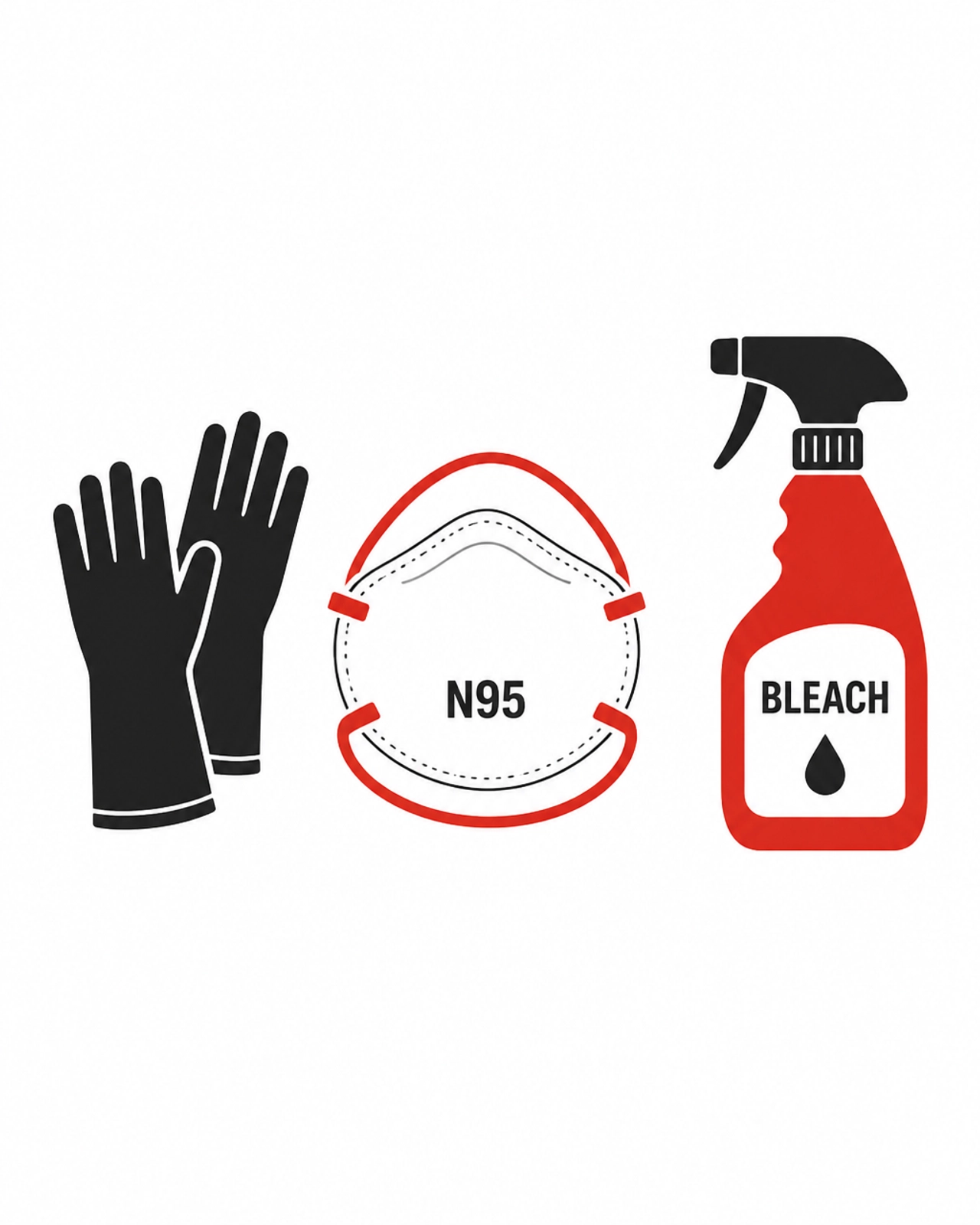
Sweeping and vacuuming are the fastest ways to launch viral particles into the air where you can breathe them in. Instead, follow this professional "wet-down" protocol:
- Gear Up: Wear rubber or plastic gloves and an N95 mask if you have one.
- Disinfect First: Spray the droppings and the surrounding area with a disinfectant or a mixture of 1 part bleach to 9 parts water. Let it soak for at least 5 minutes. This kills the virus and weighs down the dust.
- Wipe, Don't Sweep: Use a paper towel to pick up the wet droppings and disposal of them in a sealed plastic bag.
- Mop the Floor: Once the visible waste is gone, mop the entire area with disinfectant.
- Clean Your Gear: Wash your gloved hands with soap and water before taking the gloves off, then wash your bare hands thoroughly afterward.
For a deeper dive into why mice are more than just a nuisance, check out our FAQ on Denver rodent intruders.
Why You Need a Rodent Exterminator in Denver
When a health risk like hantavirus is involved, DIY trap-setting often isn't enough. Hiring a professional rodent exterminator denver residents can rely on ensures that the problem is handled from the source.
At A.P. Pest Control, we don't just "put out some poison." We provide a comprehensive defense strategy:
- Expert Identification: We can tell the difference between a house mouse and a deer mouse, helping you assess your specific risk level.
- Safe Removal: We have the professional-grade PPE and equipment to handle infestations in confined spaces like attics and crawlspaces where the hantavirus risk is highest.
- Sanitization: We offer advice and services to help neutralize the area so you can use your space again without fear.
- The Personal Touch: As a family-owned business, we treat your home like our own. We know how scary these health alerts can be, and we’re here to provide honest, transparent solutions.
If you’re facing an active infestation, don’t wait for it to grow. You can reach out for emergency pest services to get a technician to your door quickly.
How Do You Keep Deer Mice Out Long Term?
Seal entry points, manage the perimeter of your yard, secure food sources, and remove clutter.
Once the current residents are evicted, you need to make sure their cousins don't move in next week. Rodent proofing is a game of millimeters.
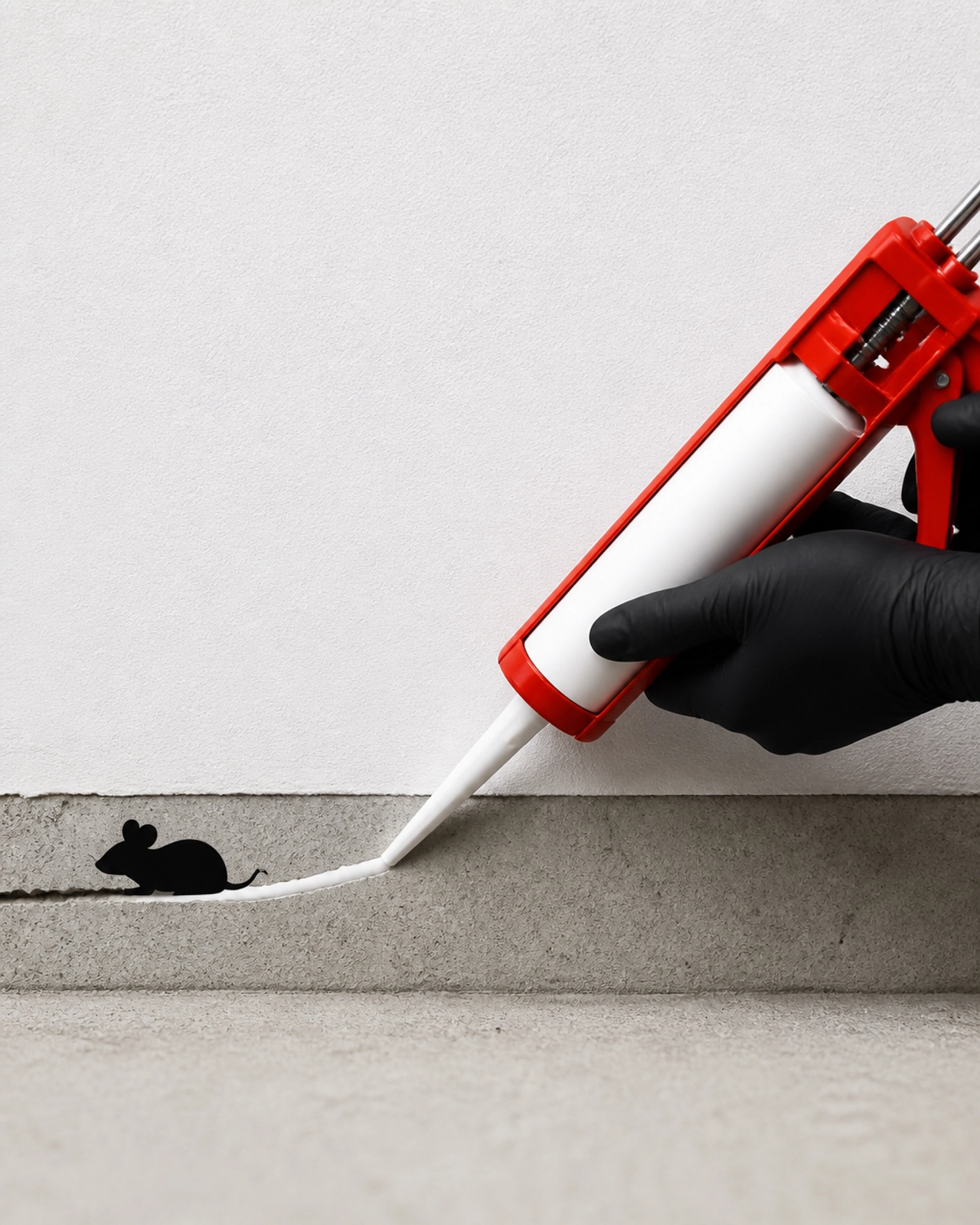
- Seal the Entry Points: A mouse can squeeze through a hole the size of a dime. Use steel wool and caulking to seal gaps around pipes, foundation cracks, and vents.
- Manage the Perimeter: Keep grass cut short and move woodpiles at least 20 feet away from the house. Deer mice love tall grass and log piles.
- Secure Food Sources: Store pet food, birdseed, and pantry items in airtight metal or heavy plastic containers.
- Remove Clutter: The fewer hiding spots they have in your garage or basement, the less likely they are to set up a permanent camp.
For more detailed information on hantavirus symptoms and national safety guidelines, we recommend visiting the CDC's hantavirus resource page.
Stay Safe, Denver
The recent cases in Douglas and Arapahoe Counties are a sobering reminder that we share our beautiful Colorado landscape with wildlife that isn't always friendly. By staying informed, identifying the right pests, and using safe cleanup practices, you can significantly reduce your risk.
If the thought of dealing with deer mice is overwhelming, or if you suspect a large infestation in your home, give us a call at (720) 327-1750 or request a free quote online. We're here to help you breathe easy again.
Frequently Asked Questions
What is hantavirus?
Hantavirus is a rare but severe respiratory disease that can be fatal if not treated immediately. In Colorado, the strain involved is the Sin Nombre virus, which is responsible for Hantavirus Pulmonary Syndrome.
Does hantavirus spread from person to person?
No. It does not spread from person to person, so your risk is tied directly to your contact with the rodents that carry it.
Which mice carry hantavirus in Colorado?
The local cases have been linked to deer mice carrying the Sin Nombre variant of the virus. House mice are not the primary reservoir for hantavirus, but deer mouse droppings look the same to the naked eye, so treat all droppings as potentially hazardous.
Can I sweep or vacuum mouse droppings?
No. Sweeping and vacuuming are the fastest ways to launch viral particles into the air where you can breathe them in. Spray the droppings with disinfectant, let it soak for at least 5 minutes, and wipe them up with a paper towel while wearing gloves.
What are the first symptoms of hantavirus?
It typically starts with flu-like symptoms such as fever, muscle aches, and fatigue. It can rapidly progress to shortness of breath as the lungs fill with fluid.