
If you're thinking those cute little mice scurrying around your Denver home are just harmless visitors, you're not alone. Many homeowners underestimate these tiny creatures, assuming they're nothing more than a minor nuisance. But here's the reality: mice can create serious problems that go far beyond the occasional midnight scampering sounds. Let's dive into some frequently asked questions that reveal why these small intruders deserve your immediate attention.
FAQ: Are Mice Really That Dangerous to My Health?
Absolutely, and in ways you might not expect. Mice are walking disease vectors that can seriously compromise your family's health. These tiny creatures carry over 35 different diseases that can be transmitted to humans through their droppings, urine, saliva, and even the dust created when their waste dries out.
Hantavirus is one of the most serious threats. This potentially fatal respiratory disease spreads when you inhale particles from dried mouse droppings or urine. Even sweeping or vacuuming areas where mice have been can kick up contaminated dust particles into the air you breathe.
Salmonellosis is another major concern. Mice track bacteria from sewers, garbage, and other contaminated areas directly onto your kitchen counters, food prep areas, and stored food items. One contaminated crumb can lead to severe food poisoning.

But that's not all. Mice also carry parasites like fleas, ticks, and mites that can transmit additional diseases including Rocky Mountain spotted fever and typhus. If anyone in your household suffers from asthma or allergies, mouse allergens can trigger severe reactions and respiratory problems.
FAQ: Can Mice Actually Damage My Denver Home's Structure?
Yes, and the damage can be far more extensive and expensive than you'd imagine. Mice have teeth that never stop growing, which means they need to constantly chew on things to keep them filed down. Unfortunately, your home provides plenty of "chewing opportunities."
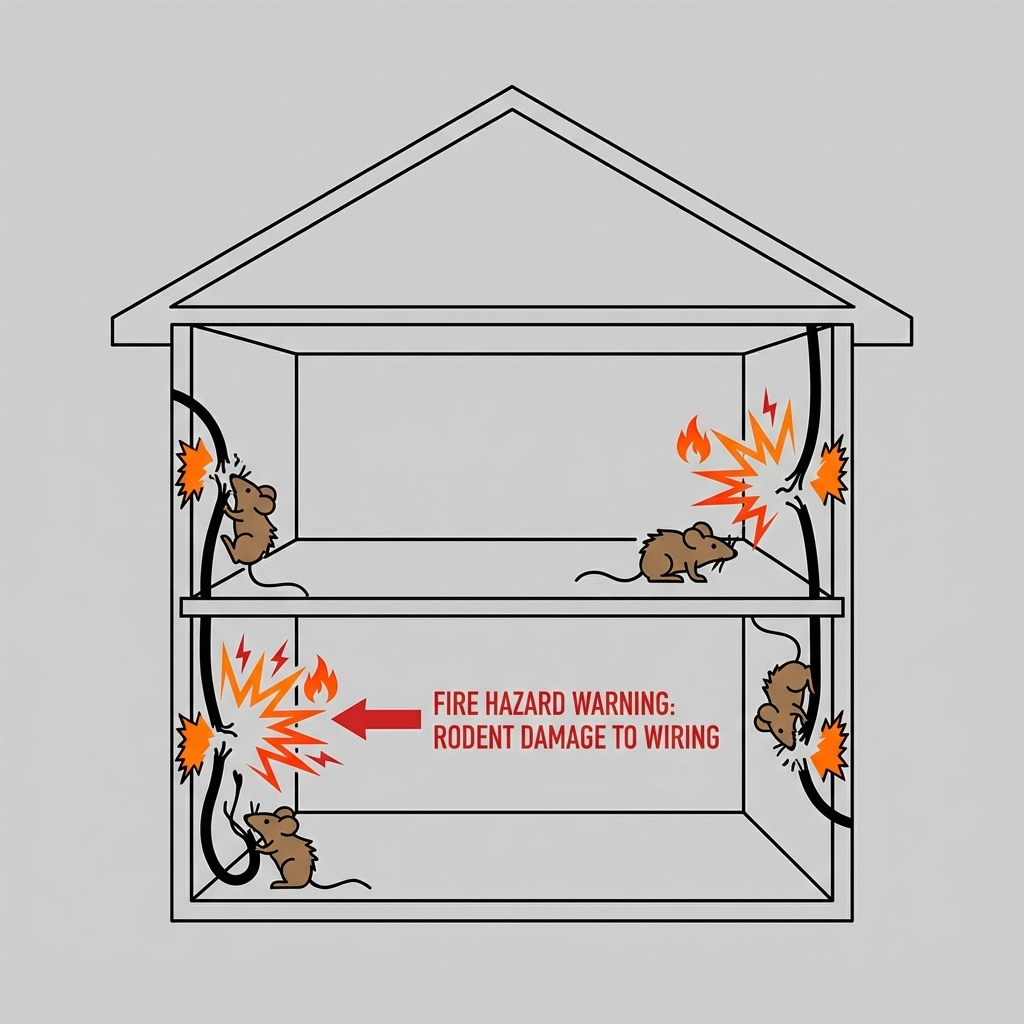
Electrical wiring poses the biggest danger. Mice love to gnaw on electrical cables, stripping away the protective insulation and creating exposed wires. This isn't just an inconvenience: it's a serious fire hazard. The National Fire Protection Association estimates that rodents cause thousands of house fires annually through damaged electrical systems.
Your home's insulation is another prime target. Mice shred insulation materials to build their nests, significantly reducing your home's energy efficiency. This means higher heating bills during Denver's cold winters and reduced cooling effectiveness during hot summers.
Mice also damage:
- Plumbing pipes (especially newer PEX piping)
- HVAC ductwork (reducing system efficiency)
- Structural wood (weakening support beams over time)
- Drywall and brick (creating entry points for other pests)
FAQ: How Quickly Can a Small Mouse Problem Become a Big One?
Frighteningly fast. This might be the most shocking fact about mice: their reproductive capabilities are absolutely astounding. A single female mouse can have up to 10 litters per year, with each litter containing 4-8 pups. Those babies reach sexual maturity in just 6-8 weeks.
Do the math: One pair of mice can theoretically produce over 2,000 offspring in a single year under ideal conditions. While not all will survive, even a fraction of that number represents a massive infestation.
In Denver's climate, mice are particularly motivated to establish themselves in warm, food-rich environments before winter hits. What starts as "just one mouse" in October can easily become dozens by spring. By the time you're seeing mice regularly, you likely already have a significant population living in your walls, basement, or attic.
FAQ: Why Are Denver Homes Particularly Vulnerable to Mice?
Denver's unique climate and geography create perfect storm conditions for mouse infestations. As temperatures drop during our lengthy winter months, mice become increasingly desperate for warm shelter. Your heated home represents survival to them.
Denver's elevation and dry climate also mean that mice are constantly seeking reliable water sources. Leaky pipes, pet water bowls, and even condensation around HVAC units become magnets for thirsty rodents.
The age of many Denver homes creates additional vulnerabilities:
- Foundation settling creates tiny cracks (mice only need a dime-sized opening)
- Older weatherstripping around doors and windows deteriorates
- Utility line entry points often have gaps that weren't properly sealed during installation
- Basement and crawl space access provides ideal nesting areas
Denver's urban environment also means plenty of food sources nearby. Restaurants, grocery stores, and residential garbage provide abundant feeding opportunities that support large rodent populations in the area.
FAQ: Are Store-Bought Mouse Traps and Poisons Effective?
They can help, but they're rarely a complete solution for active infestations. Here's why DIY approaches often fall short:
Traditional snap traps only catch mice one at a time, and mice quickly learn to avoid areas where other mice have been caught. You might catch a few, but the rest of the population adapts and continues breeding.
Poison baits create additional problems. Mice often die in inaccessible areas like inside walls, creating terrible odors and attracting other pests. Plus, poisoned mice can pose secondary poisoning risks to pets and children.
Glue traps are inhumane and often result in mice escaping with the trap attached, spreading the adhesive throughout your home.
The biggest issue with DIY methods is that they address symptoms, not causes. Even if you eliminate visible mice, you haven't addressed:
- Entry points that allow new mice to enter
- Attractants that draw mice to your property
- Nesting areas where mice hide and breed
- Food and water sources that sustain populations

FAQ: What Makes Professional Rodent Control More Effective?
Professional pest control takes a comprehensive, scientific approach that addresses the entire infestation ecosystem. At A.P. Pest Control, we don't just set traps and hope for the best: we implement integrated strategies that provide long-term solutions.
Thorough inspection is the foundation of effective control. Our technicians identify entry points you might never notice, locate nesting areas, and assess the full scope of the problem. We use specialized equipment to detect mouse activity in walls, attics, and other hidden areas.
Exclusion work involves sealing entry points with materials mice can't chew through. We use steel wool, hardware cloth, and professional-grade sealants that create permanent barriers.
Strategic placement of professional-grade traps and baits maximizes effectiveness while minimizing risk to your family and pets. We know mouse behavior patterns and place control devices where they'll be most effective.
Follow-up monitoring ensures the problem is completely resolved. We track effectiveness, adjust strategies as needed, and prevent re-infestation through ongoing maintenance.
FAQ: When Should I Call for Professional Help?
The honest answer? As soon as you suspect mice are present. Early intervention is always more effective and less expensive than dealing with established infestations.
Call immediately if you notice:
- Droppings anywhere in your home (especially kitchens and pantries)
- Gnaw marks on food packages, furniture, or structural materials
- Scratching or scurrying sounds in walls or ceilings
- Unusual pet behavior (cats and dogs often detect mice before humans do)
- Grease marks along walls where mice travel
- Strange odors that could indicate nesting areas or deceased mice
Don't wait for the problem to "get worse" before taking action. Mice don't leave voluntarily, and every day of delay allows the population to grow larger and cause more damage.

FAQ: How Can I Prevent Future Mouse Problems?
Prevention requires a multi-layered approach that makes your home less attractive and accessible to mice. Start with these essential steps:
Eliminate food sources:
- Store all food in sealed, hard plastic or glass containers
- Clean up crumbs and spills immediately
- Don't leave pet food out overnight
- Keep garbage in tight-fitting containers
Remove water sources:
- Fix leaky pipes and faucets promptly
- Ensure good drainage around your home's foundation
- Empty pet water bowls overnight
Block entry points:
- Inspect your home's exterior quarterly for new gaps
- Seal cracks with appropriate materials
- Install door sweeps and maintain weatherstripping
- Screen vents and chimneys
Reduce shelter opportunities:
- Keep storage areas organized and clutter-free
- Trim vegetation away from your home's foundation
- Remove brush piles and debris from your yard
Professional pest control services can provide ongoing monitoring and preventive treatments that catch problems before they become infestations. Regular inspections help identify new vulnerabilities and address them proactively.
Remember, mice aren't just harmless little creatures looking for a warm place to stay. They're destructive pests that pose serious health and safety risks to your Denver home and family. Taking swift action when you first notice signs of mice isn't overreacting: it's protecting your investment and your loved ones' wellbeing.
If you're dealing with mice in your Denver home, don't underestimate the problem. Contact A.P. Pest Control for a thorough inspection and comprehensive treatment plan. Our experienced team understands Denver's unique pest challenges and can provide effective, lasting solutions that protect your home and family.